Experts Warn of Pressing Threats to Philippine Marine Biodiversity
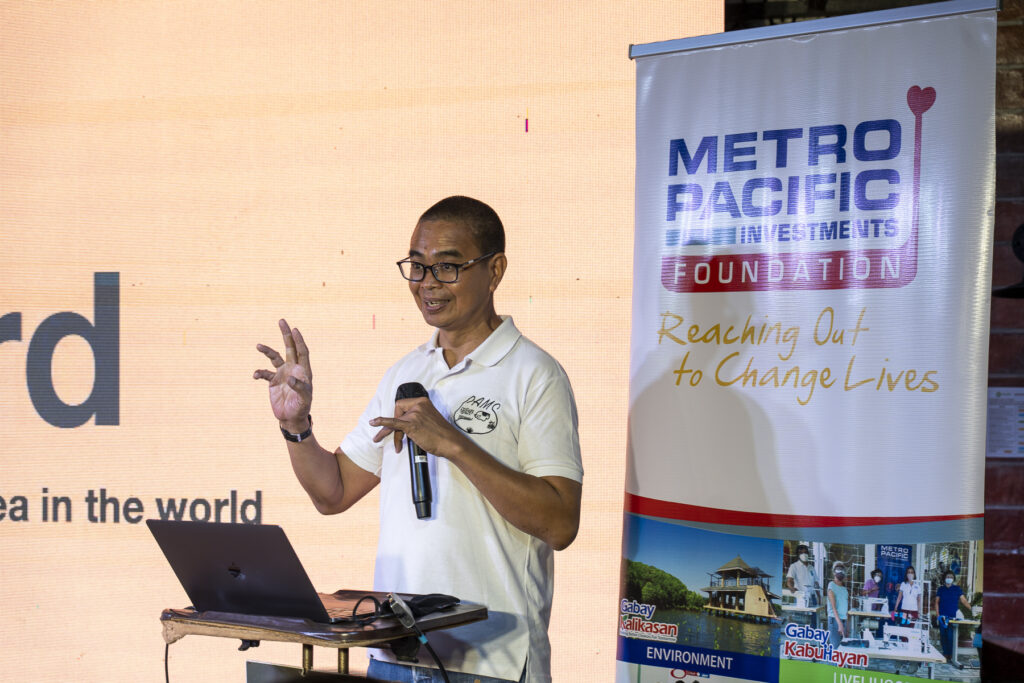
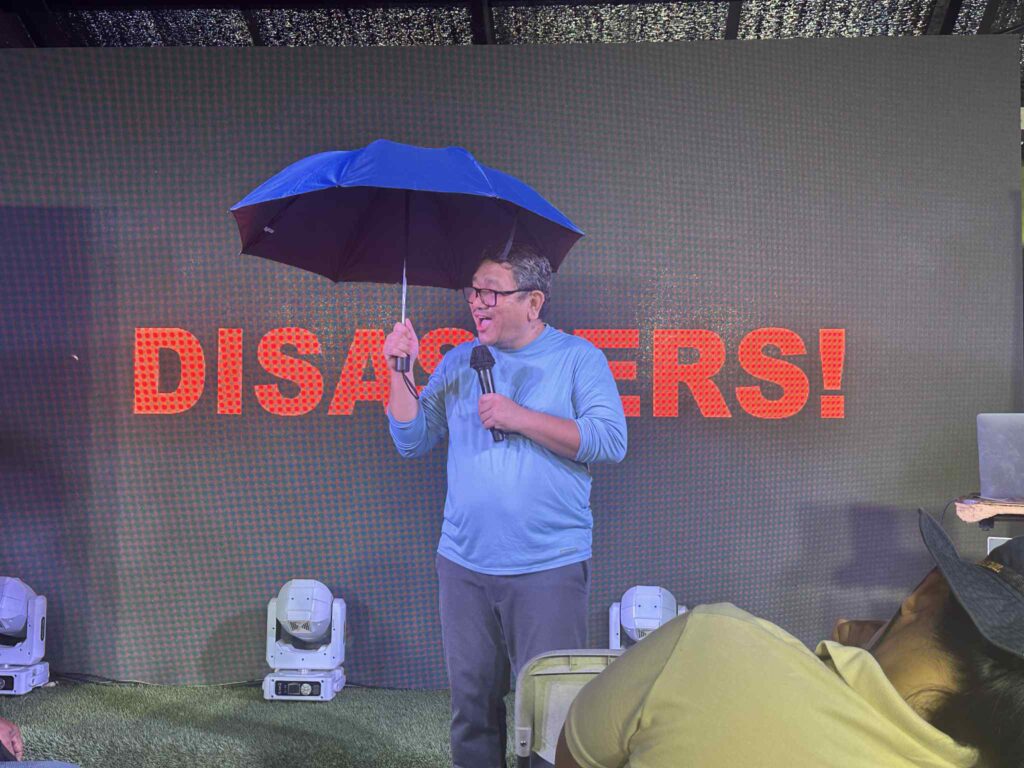
Critical findings on the problems facing marine biodiversity, climate resilience, and sustainable living were shared by two leading environmental experts: Dr. Wilfredo Licuanan, a Principal Investigator at the Br. Alfred Shields FSC Ocean Research (SHORE) Center of De La Salle University, and Rodne Galicha, Executive Director of the Living Laudato Si’ Movement Philippines. Drawing from decades of scientific monitoring and advocacy, both experts sounded the alarm on the state of the country’s seas and the urgent actions needed to protect them.
Experts Share Insights on Marine and Climate Challenges
While the Philippines is recognized as a global center of marine biodiversity, home to the world’s third-largest reef area, hosting around 600 species of stony corals, contributing 25 percent of national fisheries production, and protecting coastlines by dissipating 97 percent of wave energy, researchers warned of troubling realities.
They revealed that the country still has no nationally-coordinated long-term monitoring effort to track reef health over time. Episodes of mass coral bleaching have already turned once vibrant ecosystems into what has been described in Laudato Si’ (Pope Francis’ encyclical on the environment) as “underwater cemeteries bereft of color and life.” Further, crown-of-thorns starfish outbreaks, trash accumulation in marine protected areas, and the illegal harvesting of giant clams continue to harm already fragile habitats. Many MPAs remain too small and under-managed, offering little improvement in coral cover or fish populations. These challenges are further compounded by climate change, with 2024 recorded as the warmest year on record, amplifying stress on marine ecosystems.
“Up-to-date, scientifically-sound monitoring is essential in allowing communities to respond to changes in reef health, and citizen science volunteers can fulfill crucial roles in this effort,” said Dr. Wilfredo Licuanan.
From Knowledge to Action
In the same learning session hosted by Shore It Up! (SIU), the environmental advocacy program of Metro Pacific Investments Foundation (MPIF), participants were introduced to citizen science monitoring, a process where community members are trained to survey reefs, process findings with schools and local groups, and present results directly to government officials. This participatory approach presents the principle that management begins with measurement, stressing the importance of accessible, community-driven data collection.
The discussions also extended beyond science to highlight the role of everyday actions in protecting the environment. Participants were urged to reduce single-use plastics, conserve water, avoid food waste, plant native trees, practice energy efficiency, and choose more sustainable forms of transport. These practices were framed within the “10R’s of sustainability”—Reduce, Reuse, Recycle, Repair, Refuse, Rethink, Rainforest, Regenerate, Reconnect, and Respect—which were presented as guides for ecological responsibility that can be applied daily.
“In the spirit of ‘katumbalikwasan’, we recognize that true resilience emerges from our collective strength as KASAMA and KAPWA, where no one is left behind in the face of adversity. Together, we rise up, bounce back, and learn from our past, ensuring that our actions are inclusive, just, and equitable for all members of our community,” said Rodne Galicha.
Situated within the Coral Triangle and the Verde Island Passage, Marinduque holds a critical role in global marine biodiversity. The SIU Weekend learning sessions provided stakeholders in attendance with deeper awareness of this ecological significance and the urgent need for action.
For MPIF, these findings open new opportunities to strengthen its programs by integrating science, citizen participation, and sustainability across its SIU sites, empowering communities to serve as guardians of the country’s marine heritage.